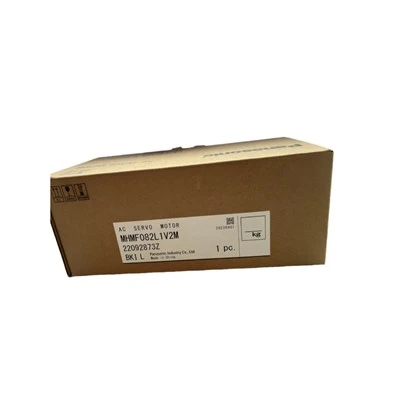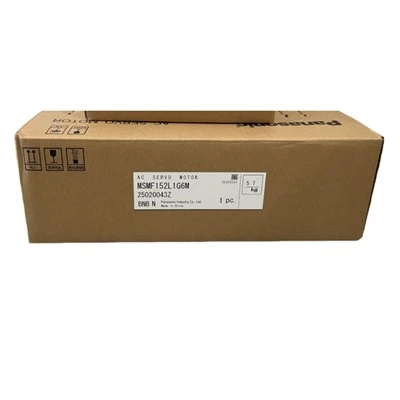
When Panasonic sensors are not in use for extended periods, appropriate storage methods should be adopted based on their type and characteristics. Here are some general storage recommendations:
1. Environmental Condition Control
Temperature
Avoid placing sensors in extreme temperature environments. Generally, the storage temperature range for sensors should be between -10°C and 50°C. Refer to the sensor's instruction manual for specific ranges. For example, some high-precision temperature sensors may experience performance degradation of their internal components if exposed to excessively high or low temperatures for extended periods. Excessively high temperatures may cause aging of the sensor's internal electronic components, while excessively low temperatures may cause the internal liquid (such as the filling fluid in some pressure sensors) to freeze, thereby damaging the sensor structure.
It is best to store sensors indoors, avoiding direct sunlight. Direct sunlight may raise the sensor's surface temperature, and ultraviolet radiation may also adversely affect the sensor's housing and internal components. For example, some sensors with plastic housings may become brittle, fade, or even crack under prolonged UV exposure.
Humidity
Keep the storage environment dry, ideally with a relative humidity of 30%–70%. High humidity environments can easily cause sensors to absorb moisture, leading to problems such as short circuits in internal circuits and component corrosion. For example, humidity sensors are designed to measure humidity, but if exposed to high humidity for extended periods, internal components such as electrodes may be corroded by moisture, affecting their performance.
A desiccant, such as silica gel desiccant, can be placed in the container or space where the sensor is stored. Silica gel desiccant absorbs moisture from the air, maintaining a relatively dry environment. However, it is important to replace the desiccant regularly. When the silica gel desiccant changes color after absorbing moisture (e.g., from blue to pink), it indicates that it has lost its drying ability.
Cleanliness
The storage area for sensors should be kept clean, avoiding dust, oil, and other contaminants adhering to the sensor surface. Dust may clog the sensor's air inlet, liquid inlet, etc., affecting its normal operation. For example, for gas sensors, dust blocking the air inlet prevents gas from entering the sensor, causing the sensor to be unable to accurately measure gas concentration.
Before storing, the sensor should be cleaned. For sensors with dust on the surface, gently wipe them with a clean, soft cloth. If there is oil on the sensor surface, you can wipe it with an appropriate amount of cleaning agent such as alcohol, but be careful to avoid the cleaning agent from entering the sensor.
2.Physical Protection
Packaging
Use suitable packaging materials to pack the sensors. The packaging materials should have good moisture-proof, shock-proof, and anti-static properties. For example, anti-static foam can be used to pack electronic sensors. Anti-static foam can prevent static electricity from damaging the internal circuitry of the sensor and also provides some cushioning to prevent damage from impacts during handling.
For some small sensors, they can be placed in a sealed plastic bag, and then placed in a box. The plastic bag can prevent dust and moisture from entering, while the box provides additional protection against compression.
Securation
If the sensor has pins, interfaces, or other components, be sure to secure them. Use anti-static tape or similar materials to gently secure the pins to prevent bending or breakage. For example, some sensors with pins may deform due to external forces during long-term storage if the pins are not secured, causing the sensor to fail to connect properly to the circuit.
For sensors with moving parts (such as the elastic elements in mechanical pressure sensors), prevent them from being deformed by external forces. It can be placed on a soft support to keep it in its natural state.
3. Regular Inspection
Visual Inspection
Regularly check the sensor's appearance for signs of damage, such as cracks or deformation of the housing, and rust on the pins. If cracks are found in the housing, it may indicate that the sensor is exposed to moisture or external contaminants, requiring immediate repair or replacement.