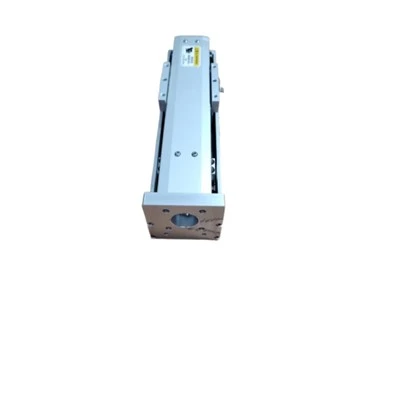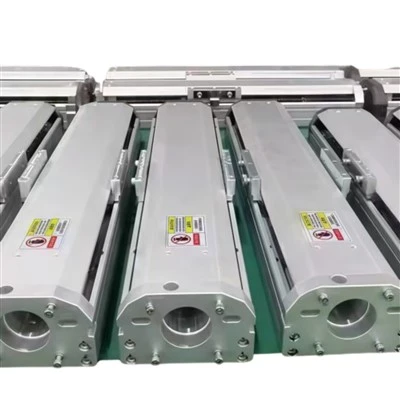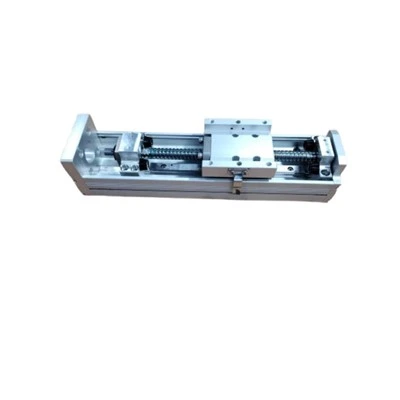

In the world of manufacturing, the versatility of machinery is a key factor that can significantly impact productivity and cost - effectiveness. One such machine that often sparks curiosity regarding its adaptability is the Static Terminal Riveting Machine. As a supplier of this essential piece of equipment, I am frequently asked the question: Can a Static Terminal Riveting Machine be used for different terminal shapes? In this blog post, I will explore this topic in detail, drawing on our experience in the industry.
Understanding the Static Terminal Riveting Machine
Before delving into the question of terminal shape compatibility, it's important to understand what a Static Terminal Riveting Machine is. A Static Terminal Riveting Machine is a specialized device designed to join terminals to wires or other components through the riveting process. It operates by exerting a static force to deform the rivet, creating a secure and permanent connection.
These machines are widely used in various industries, including electronics, automotive, and aerospace, where reliable electrical connections are crucial. The quality of the riveted connection can affect the performance and safety of the final product, making the choice of the right riveting machine essential.
Terminal Shapes in the Manufacturing World
Terminals come in a wide variety of shapes and sizes, each designed to meet specific application requirements. Some common terminal shapes include rectangular, circular, square, and custom - designed shapes for unique applications. The shape of the terminal can influence the design of the riveting process, as different shapes may require different riveting techniques and tooling.
For example, rectangular terminals may require a flat - faced riveting tool to ensure even pressure distribution across the terminal surface. Circular terminals, on the other hand, may need a tool with a rounded tip to conform to the terminal's shape. Custom - designed terminals may demand highly specialized tooling to achieve the desired riveting result.
Adaptability of Static Terminal Riveting Machines
The good news is that modern Static Terminal Riveting Machines are designed with a high degree of adaptability, allowing them to handle different terminal shapes. Here are some of the ways in which these machines can be used for various terminal shapes:
Tooling Customization
One of the primary ways to use a Static Terminal Riveting Machine for different terminal shapes is through tooling customization. Manufacturers can design and produce specialized riveting tools that are tailored to the specific shape of the terminal. These tools can be easily installed and removed from the machine, allowing for quick changeovers between different terminal shapes.
For instance, if a manufacturer needs to rivet rectangular terminals in one production run and circular terminals in the next, they can simply swap out the riveting tools. This flexibility not only saves time but also reduces the need for multiple machines, making it a cost - effective solution.
Adjustable Settings
Many Static Terminal Riveting Machines come with adjustable settings that can be optimized for different terminal shapes. These settings may include the pressure applied during the riveting process, the stroke length of the riveting head, and the speed of the machine.
By adjusting these settings, operators can ensure that the riveting process is tailored to the specific requirements of each terminal shape. For example, a larger terminal may require a higher pressure to achieve a secure rivet, while a smaller terminal may need a shorter stroke length to prevent over - deformation.
Multi - Functionality
Some advanced Static Terminal Riveting Machines are designed with multi - functionality in mind. These machines can perform a variety of riveting operations, including blind riveting, solid riveting, and semi - tubular riveting. This multi - functionality allows them to handle different terminal shapes and materials, making them a versatile choice for manufacturers.


Limitations and Considerations
While Static Terminal Riveting Machines offer a high degree of adaptability, there are some limitations and considerations to keep in mind.
Extreme Shapes
In some cases, extremely complex or irregular terminal shapes may pose challenges for a Static Terminal Riveting Machine. These shapes may require specialized machinery or manual riveting techniques to achieve the desired result. However, with the continuous advancement of technology, the range of terminal shapes that can be handled by these machines is constantly expanding.
Material Compatibility
The material of the terminal can also affect the riveting process. Different materials may have different mechanical properties, such as hardness and ductility, which can influence the choice of riveting technique and tooling. For example, a terminal made of a hard material may require a more powerful riveting machine and a specialized tool to ensure a proper connection.
Real - World Applications
To illustrate the practical use of Static Terminal Riveting Machines for different terminal shapes, let's look at some real - world applications.
Electronics Industry
In the electronics industry, terminals are used to connect wires to printed circuit boards (PCBs). These terminals can come in various shapes, such as rectangular and circular. A Static Terminal Riveting Machine can be used to rivet these terminals to the wires, ensuring a reliable electrical connection. The machine's adaptability allows manufacturers to switch between different terminal shapes as needed, depending on the design of the PCB.
Automotive Industry
The automotive industry also relies heavily on terminals for electrical connections. Terminals in automotive applications can have different shapes and sizes, depending on the specific component they are used for. A Static Terminal Riveting Machine can be used to rivet these terminals to wires, providing a secure and durable connection. The machine's ability to handle different terminal shapes makes it a valuable asset in automotive manufacturing.
Related Machines in the Production Line
In addition to the Static Terminal Riveting Machine, there are other machines that play important roles in the production line. For example, the Fixed Plate Installation Machine is used to install fixed plates in the magnetic assembly process. The Magnetic Steel Assembly Machine is responsible for assembling magnetic steel components. These machines, along with the Static Terminal Riveting Machine, work together to ensure the efficient and high - quality production of magnetic products.
Conclusion and Call to Action
In conclusion, a Static Terminal Riveting Machine can indeed be used for different terminal shapes, thanks to its tooling customization, adjustable settings, and multi - functionality. While there are some limitations, the adaptability of these machines makes them a valuable investment for manufacturers in various industries.
If you are in the market for a Static Terminal Riveting Machine or have any questions about its suitability for your specific terminal shapes, we encourage you to contact us for a detailed discussion. Our team of experts is ready to assist you in finding the right solution for your manufacturing needs.
References
- "Riveting Technology in Manufacturing", Industrial Manufacturing Journal, 2020.
- "Terminal Design and Riveting Processes", Electronics Production Magazine, 2021.