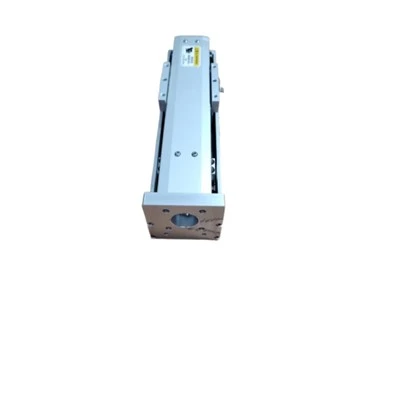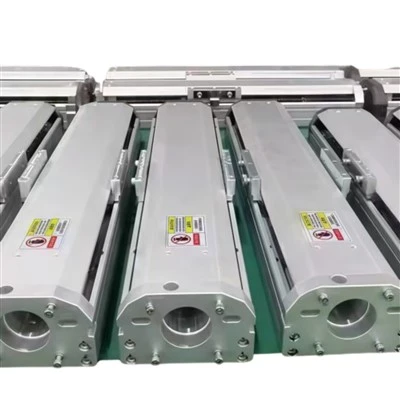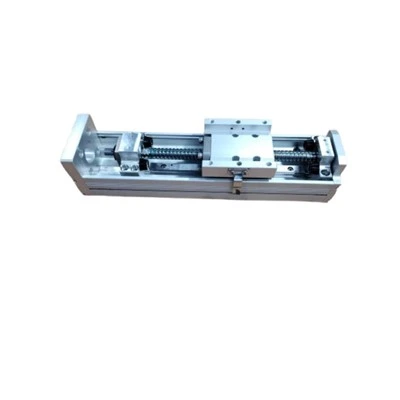

As a supplier of left - mounted ball screw linear carriages, I understand that installation errors can be a headache for many customers. In this blog, I'll share some insights on how to correct the installation errors of a left - mounted ball screw linear carriage.
Common Installation Errors and Their Causes
1. Misalignment
Misalignment is one of the most common installation errors. It can occur in several ways. For example, the linear carriage may not be parallel to the mounting surface. This could be due to inaccurate machining of the mounting base or improper use of alignment tools during installation. If the base has uneven surfaces or if the alignment pins are not properly inserted, the linear carriage will not be installed in the correct position.
Another form of misalignment is angular misalignment. When the ball screw is not installed at the correct angle relative to the linear guide, it can cause excessive wear on the ball screw and the linear carriage. This might happen if the installation instructions are not followed carefully, or if the installer does not have the necessary skills to align the components accurately.
2. Incorrect Pre - loading
Pre - loading is crucial for the proper functioning of a ball screw linear carriage. If the pre - load is too high, it can lead to increased friction, which will reduce the efficiency of the system and may cause premature wear. On the other hand, if the pre - load is too low, the ball screw may not be able to transmit the required force accurately, resulting in reduced positioning accuracy. Incorrect pre - loading can be caused by improper adjustment of the pre - load mechanism or using the wrong pre - load value specified by the manufacturer.
3. Loose Fasteners
Loose fasteners are a common problem that can lead to installation errors. During the installation process, if the bolts or screws are not tightened to the correct torque, they can loosen over time due to vibration and movement. This can cause the linear carriage to shift its position, resulting in inaccurate positioning and potential damage to the components.
Corrective Measures
1. Correcting Misalignment
- Visual Inspection: First, conduct a visual inspection of the installation. Check if the linear carriage is parallel to the mounting surface and if the ball screw is at the correct angle. Look for any signs of uneven wear on the linear guide or the ball screw, which may indicate misalignment.
- Using Alignment Tools: To correct misalignment, use precision alignment tools such as laser alignment systems. These tools can accurately measure the alignment of the linear carriage and the ball screw. Follow the manufacturer's instructions to adjust the position of the components until the alignment is within the acceptable tolerance. For example, if the linear carriage is not parallel to the mounting surface, adjust the shims under the carriage to level it.
- Re - checking the Installation: After making the adjustments, re - check the alignment using the alignment tools. Make sure that the alignment is consistent along the entire length of the linear carriage.
2. Adjusting Pre - loading
- Refer to the Manual: Consult the product manual to determine the correct pre - load value for your left - mounted ball screw linear carriage. The manual will provide detailed instructions on how to adjust the pre - load mechanism.
- Using a Torque Wrench: Use a torque wrench to adjust the pre - load. Apply the appropriate torque to the pre - load adjustment bolts or nuts according to the manufacturer's specifications. Make small adjustments and check the pre - load after each adjustment until the desired value is achieved.
- Testing the System: After adjusting the pre - load, test the system to ensure that it is functioning properly. Check the smoothness of the movement and the positioning accuracy. If there are still issues, re - check the pre - load and make further adjustments if necessary.
3. Tightening Fasteners
- Using a Torque Wrench: Use a torque wrench to tighten all the fasteners to the correct torque value specified by the manufacturer. This will ensure that the components are securely held in place and prevent them from loosening over time.
- Regular Inspections: Conduct regular inspections of the fasteners to check for any signs of loosening. If any fasteners are found to be loose, tighten them immediately.
Importance of Correct Installation
A properly installed left - mounted ball screw linear carriage offers several benefits. It ensures high positioning accuracy, which is essential for applications that require precise movement, such as in CNC machines and robotics. Correct installation also reduces wear and tear on the components, extending their lifespan and reducing maintenance costs. Additionally, a well - installed system operates more smoothly and quietly, improving the overall performance and user experience.
Related Products
If you are interested in other types of ball screw linear modules, we offer a variety of products. You can check out our Left - output Ball Screw Linear Module, Right - angle Offset Ball Screw Linear Drive Module, and Fully - enclosed Ball Screw Linear Rail. These products are designed to meet different application requirements and provide reliable performance.
Contact for Purchase and Consultation
If you have any questions about the installation of left - mounted ball screw linear carriages or are interested in purchasing our products, please feel free to contact us. We have a team of experienced professionals who can provide you with detailed technical support and help you choose the right product for your needs.


References
- Manufacturer's installation manuals for left - mounted ball screw linear carriages.
- Industry standards for ball screw linear module installation and alignment.