
Hey there! As a supplier of Static Terminal Riveting Machines, I often get asked about the vibration level of these machines during operation. In this blog, I'll share some insights on this topic and explain why it matters.
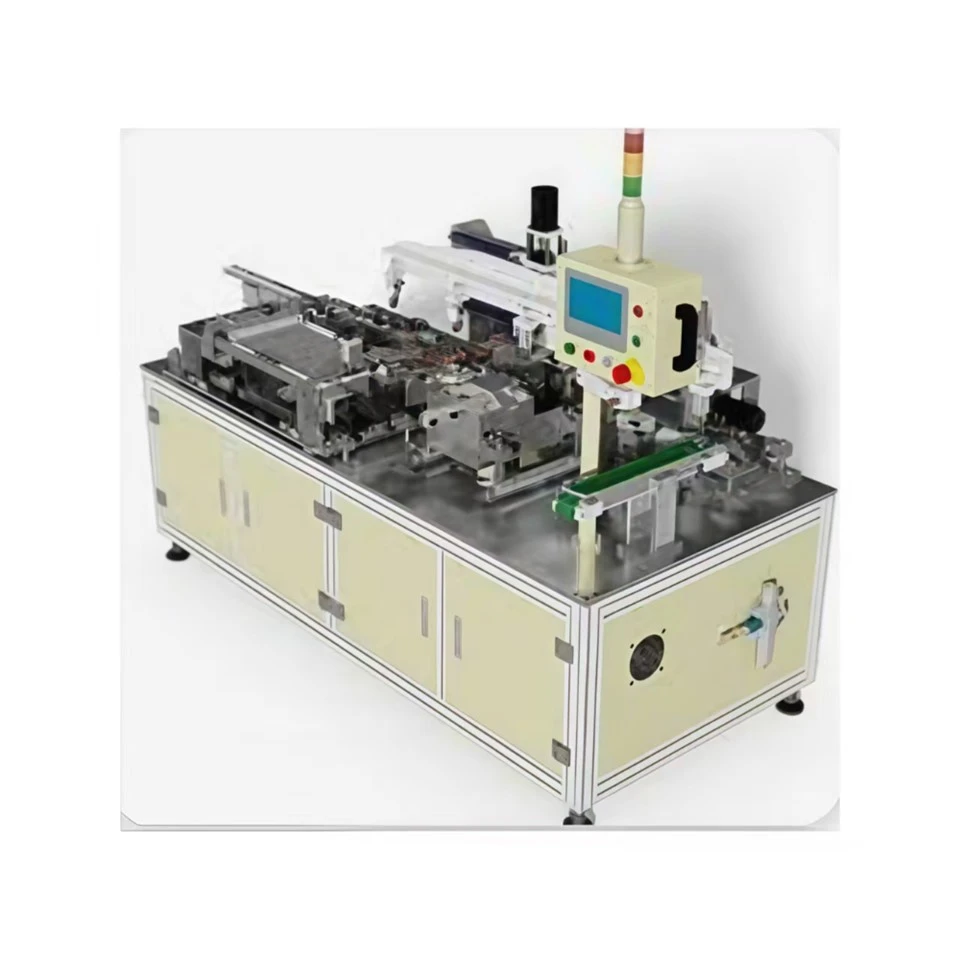
First off, let's understand what a Static Terminal Riveting Machine is. It's a piece of equipment used in various industries to join components by riveting. It works by applying pressure to a rivet, which deforms and creates a permanent joint. These machines are crucial for ensuring the quality and durability of products in manufacturing processes.
Now, let's talk about the vibration level. The vibration of a Static Terminal Riveting Machine during operation is an important factor that can affect both the machine's performance and the quality of the riveted products. Excessive vibration can lead to several issues. For example, it can cause wear and tear on the machine's components, reducing its lifespan. It can also result in inconsistent riveting, leading to faulty products.
So, what is the normal vibration level of a Static Terminal Riveting Machine? Well, it depends on several factors. The design of the machine plays a big role. A well - designed machine with proper balancing and damping mechanisms will have a lower vibration level. The type of riveting operation also matters. For instance, if the machine is riveting thicker materials or using a higher pressure, it may generate more vibration.
Typically, the vibration level of a well - functioning Static Terminal Riveting Machine should be within a certain range. In general, the vibration amplitude measured at the machine's base should be relatively small. We usually aim for a vibration amplitude in the range of a few micrometers to a few millimeters, depending on the size and capacity of the machine.
To measure the vibration level, we use vibration sensors. These sensors are placed at key points on the machine, such as the base, the riveting head, and the frame. They collect data on the vibration frequency and amplitude. By analyzing this data, we can determine if the machine is operating within the normal range or if there are any issues that need to be addressed.
If the vibration level is too high, there are several things we can do. First, we can check the machine's alignment. Misalignment can cause uneven forces and increase vibration. Adjusting the alignment can often reduce the vibration significantly. Second, we can look at the damping system. Adding or improving the damping materials can absorb the vibration energy and lower the overall vibration level.
Another important aspect is the maintenance of the machine. Regular maintenance, such as lubricating the moving parts, tightening the bolts, and replacing worn - out components, can also help keep the vibration level in check. A well - maintained machine is less likely to have excessive vibration.
Now, let's talk about how the vibration level relates to the quality of the riveted products. When the vibration is within the normal range, the riveting process is more stable. This means that the rivets are formed uniformly, and the joint is stronger. On the other hand, if the vibration is too high, the rivets may not be formed correctly. They could be deformed unevenly, leading to a weak joint. This can affect the performance and safety of the final product.
As a supplier, we take the vibration level of our Static Terminal Riveting Machines very seriously. We conduct thorough testing during the manufacturing process to ensure that each machine meets the required vibration standards. We also provide our customers with detailed information on how to operate and maintain the machines to keep the vibration level under control.
In addition to Static Terminal Riveting Machines, we also offer other related products. For example, we have a Spring Inserting Assembly Line. This assembly line is used for inserting springs into products with high precision. It's designed to work efficiently and has a low vibration level to ensure the quality of the assembled products.
We also have a Magnetic Steel Assembly Machine. This machine is used for assembling magnetic steel components. It's equipped with advanced technology to minimize vibration and ensure accurate assembly.
And our Magnetic Circuit Assembly Machine is another great product. It's designed for assembling magnetic circuits with high efficiency and low vibration.
If you're in the market for a Static Terminal Riveting Machine or any of our other products, we'd love to have a chat with you. We can provide you with more detailed information, answer your questions, and help you choose the right machine for your needs. Contact us to start the procurement process and let's work together to improve your manufacturing operations.
References
- Machinery Vibration Handbook. This handbook provides in - depth knowledge on measuring and controlling vibration in industrial machinery.
- Manufacturing Technology: Design, Materials, and Processes. It offers insights into the manufacturing processes and how vibration can affect product quality.