
In the realm of industrial automation, enclosed integrated lead screw linear modules play a pivotal role in achieving precise linear motion. These modules are widely used in various applications such as CNC machines, 3D printers, and automated assembly lines. However, when multiple enclosed integrated lead screw linear modules are employed in a system, ensuring their synchronization becomes a critical challenge. As a supplier of enclosed integrated lead screw linear modules, I understand the importance of this issue and have extensive experience in addressing it. In this blog, I will share some effective methods to ensure the synchronization of multiple enclosed integrated lead screw linear modules.


Understanding the Basics of Enclosed Integrated Lead Screw Linear Modules
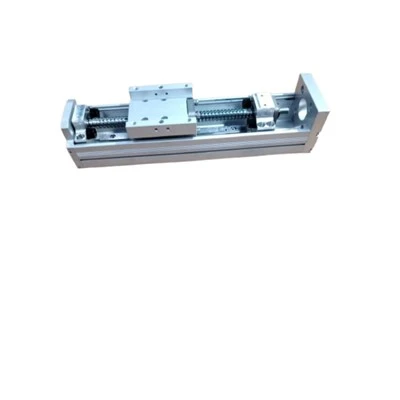
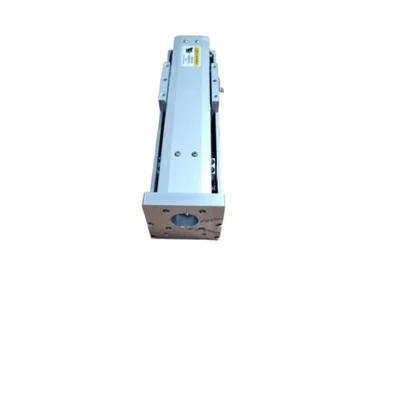
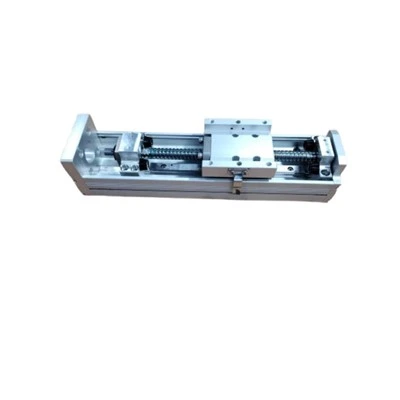
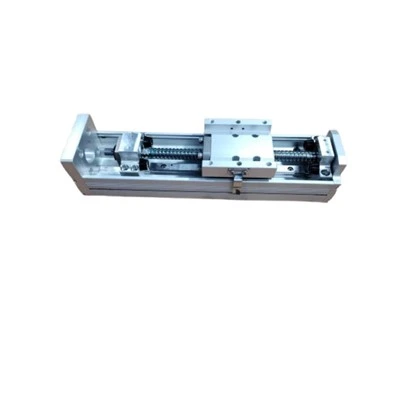
Before delving into the synchronization methods, it is essential to have a clear understanding of the basic structure and working principle of enclosed integrated lead screw linear modules. These modules typically consist of a lead screw, a nut, a linear guide, and an enclosure. The lead screw converts rotary motion into linear motion, while the nut moves along the lead screw. The linear guide provides support and guidance for the moving parts, ensuring smooth and precise linear motion. The enclosure protects the internal components from dust, debris, and other contaminants, enhancing the reliability and longevity of the module.
There are different types of enclosed integrated lead screw linear modules available in the market, such as Lead Screw Embedded Linear Carriage Underdrive Layout, Lead Screw Embedded Linear Module Side Left Drive, and Standard Lead Screw Embedded Linear Stage Direct Coupled. Each type has its own unique features and advantages, and the choice of module depends on the specific requirements of the application.
Challenges in Synchronizing Multiple Enclosed Integrated Lead Screw Linear Modules
When multiple enclosed integrated lead screw linear modules are used in a system, several challenges can arise in achieving synchronization. These challenges include:
- Mechanical Tolerances: Each module may have slight mechanical tolerances in its lead screw, nut, and linear guide. These tolerances can cause differences in the linear motion of the modules, leading to synchronization issues.
- Load Variations: The loads applied to each module may vary, depending on the specific application. Different loads can affect the performance of the modules and cause synchronization problems.
- Motor Characteristics: The motors used to drive the modules may have different characteristics, such as torque, speed, and acceleration. These differences can result in variations in the motion of the modules and make it difficult to achieve synchronization.
- Control System: The control system used to operate the modules plays a crucial role in ensuring synchronization. If the control system is not properly designed or configured, it can lead to synchronization errors.
Methods to Ensure Synchronization
To overcome the challenges mentioned above and ensure the synchronization of multiple enclosed integrated lead screw linear modules, the following methods can be employed:
1. Mechanical Alignment
Proper mechanical alignment of the modules is essential for achieving synchronization. This includes aligning the lead screws, linear guides, and mounting surfaces of the modules. The alignment should be done with high precision to minimize mechanical tolerances and ensure that the modules move in a coordinated manner.
2. Load Balancing
Load balancing is another important factor in achieving synchronization. The loads applied to each module should be evenly distributed to minimize the impact of load variations on the performance of the modules. This can be achieved by using appropriate load distribution mechanisms, such as pulleys, belts, or gears.
3. Motor Selection and Control
The selection of motors with similar characteristics is crucial for ensuring synchronization. The motors should have the same torque, speed, and acceleration capabilities to ensure that the modules move at the same rate. Additionally, a proper control system should be used to regulate the operation of the motors and ensure that they are synchronized.
4. Feedback Control
Feedback control is a powerful method for ensuring synchronization. By using sensors to measure the position, velocity, and acceleration of the modules, the control system can adjust the operation of the motors in real-time to correct any synchronization errors. This can significantly improve the accuracy and reliability of the synchronization.
5. Communication and Coordination
In a system with multiple enclosed integrated lead screw linear modules, communication and coordination between the modules are essential. The modules should be able to exchange information about their position, velocity, and status to ensure that they are operating in a coordinated manner. This can be achieved by using a communication protocol, such as Ethernet or CAN bus, to connect the modules to a central control system.
Case Study: Synchronizing Multiple Enclosed Integrated Lead Screw Linear Modules in an Automated Assembly Line
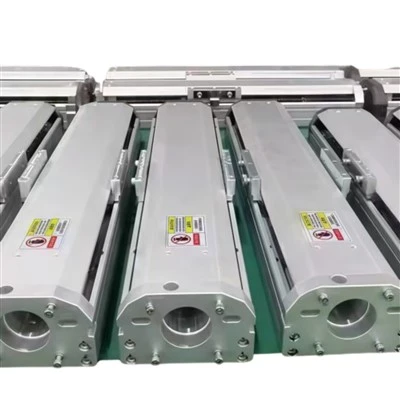
To illustrate the effectiveness of the methods mentioned above, let's consider a case study of synchronizing multiple enclosed integrated lead screw linear modules in an automated assembly line. In this application, four enclosed integrated lead screw linear modules are used to move different components of a product along the assembly line.
The following steps were taken to ensure the synchronization of the modules:
- Mechanical Alignment: The modules were carefully aligned using precision alignment tools to ensure that the lead screws and linear guides were parallel and the mounting surfaces were level.
- Load Balancing: The loads applied to each module were evenly distributed by using a pulley system to transfer the load from one module to another.
- Motor Selection and Control: Four motors with the same torque, speed, and acceleration capabilities were selected to drive the modules. A programmable logic controller (PLC) was used to control the operation of the motors and ensure that they were synchronized.
- Feedback Control: Position sensors were installed on each module to measure its position. The feedback from the sensors was used by the PLC to adjust the operation of the motors in real-time to correct any synchronization errors.
- Communication and Coordination: The modules were connected to the PLC using an Ethernet communication protocol. The PLC was used to coordinate the operation of the modules and ensure that they were operating in a coordinated manner.
As a result of these measures, the four enclosed integrated lead screw linear modules were able to move in a synchronized manner, ensuring the smooth and efficient operation of the automated assembly line.
Conclusion
Ensuring the synchronization of multiple enclosed integrated lead screw linear modules is a critical challenge in industrial automation. By understanding the basic structure and working principle of these modules, identifying the challenges in synchronization, and employing effective methods such as mechanical alignment, load balancing, motor selection and control, feedback control, and communication and coordination, it is possible to achieve reliable and accurate synchronization.
As a supplier of enclosed integrated lead screw linear modules, I am committed to providing high-quality products and solutions to meet the needs of our customers. If you are interested in learning more about our products or have any questions regarding the synchronization of multiple enclosed integrated lead screw linear modules, please feel free to contact us for further discussion and potential procurement.