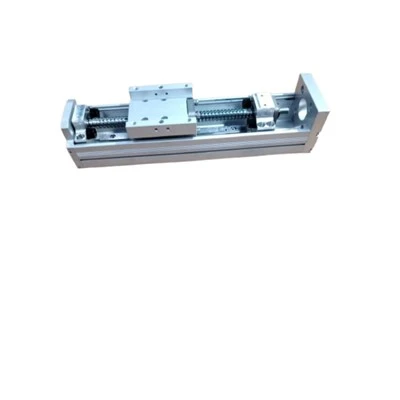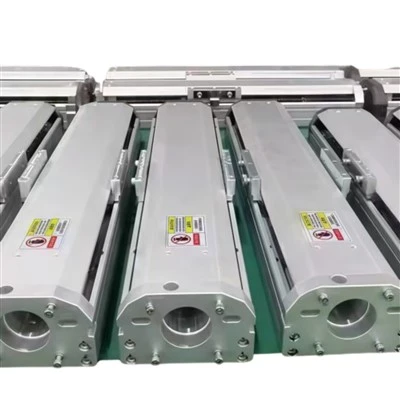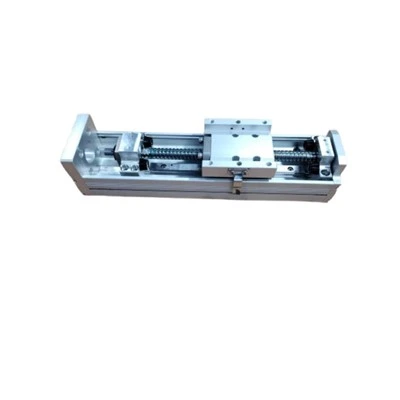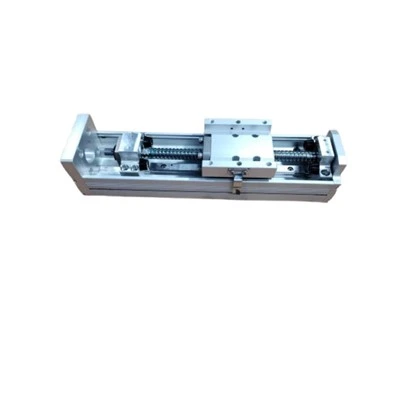

Backlash in a Universal-style Ball Screw Linear Actuator can significantly impact the accuracy and performance of a system. As a supplier of these actuators, I understand the importance of minimizing this issue to ensure the best possible operation for our customers. In this blog, I will discuss various methods to reduce the backlash of a Universal-style Ball Screw Linear Actuator.
Understanding Backlash in Ball Screw Linear Actuators
Backlash refers to the play or clearance between the ball screw and the nut in a linear actuator. When the direction of motion is reversed, this clearance can cause a delay in the movement of the actuator, leading to inaccuracies in positioning. This is particularly problematic in applications where high precision is required, such as in robotics, CNC machines, and semiconductor manufacturing.
The main factors contributing to backlash in a ball screw linear actuator include the manufacturing tolerances of the ball screw and nut, wear and tear over time, and the preload applied to the system. By addressing these factors, we can effectively reduce the backlash and improve the performance of the actuator.
Methods to Reduce Backlash
1. Select High-Quality Components
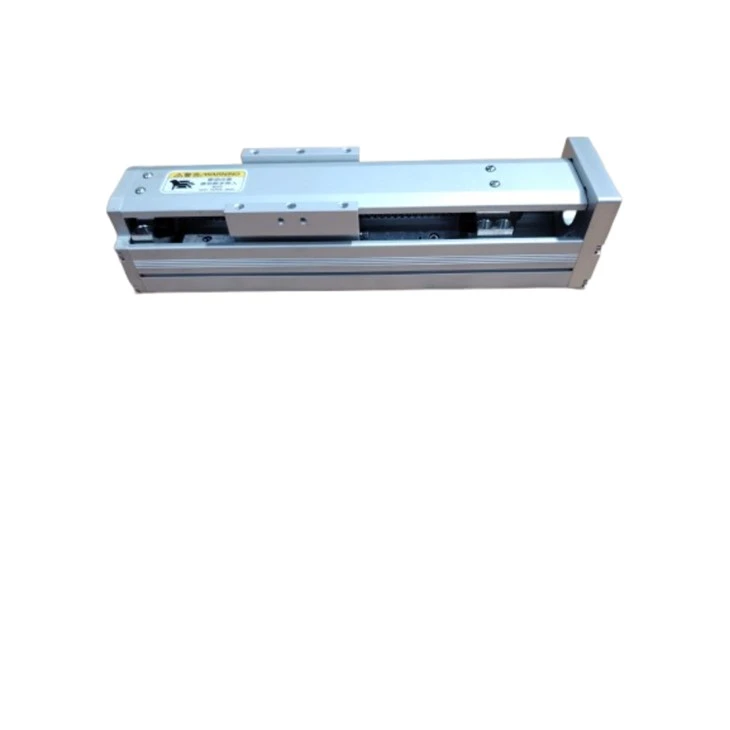
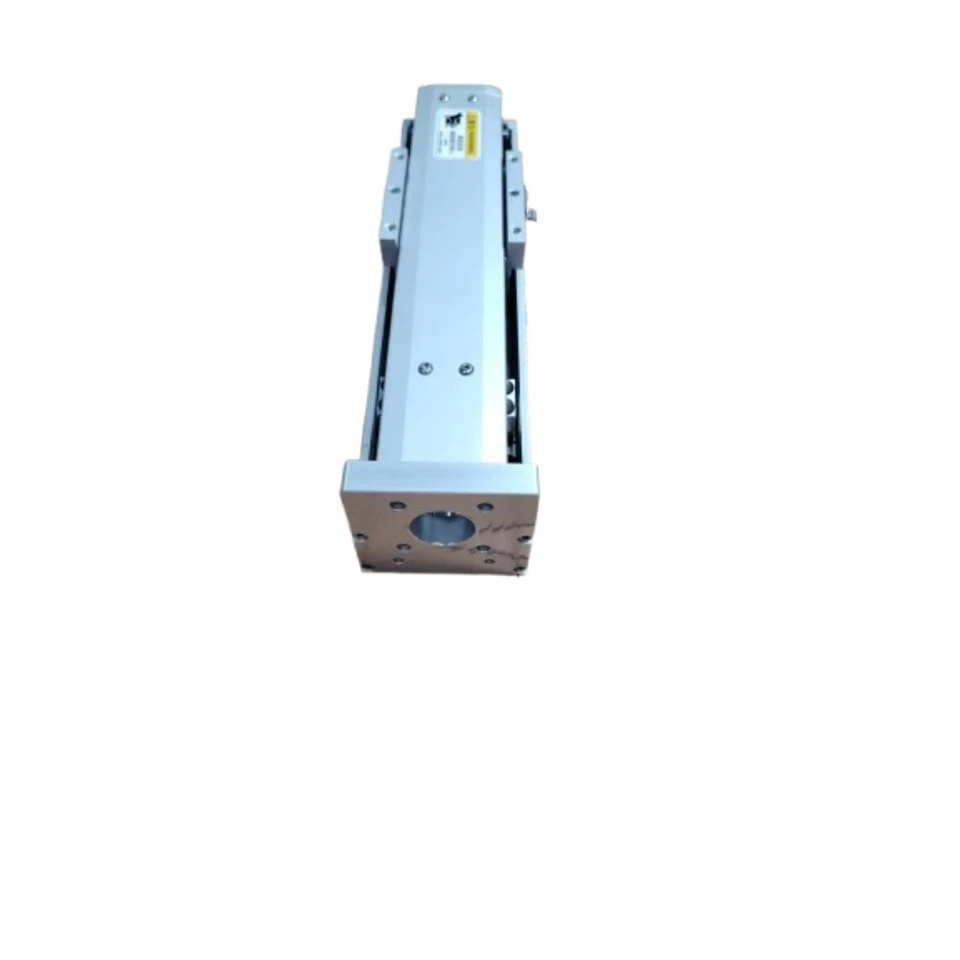
One of the most effective ways to reduce backlash is to start with high-quality ball screws and nuts. Our company offers a range of Enclosed-protected Ball Screw Linear Actuator that are manufactured to strict tolerances. These actuators use precision-ground ball screws and nuts, which have a smaller clearance between the balls and the raceways, resulting in less backlash.
High-precision ball screws are made from high-grade materials and undergo a rigorous manufacturing process to ensure consistent quality. They are also designed to have a higher load capacity and better wear resistance, which helps to maintain the accuracy of the actuator over time.
2. Apply Proper Preload
Preloading is the process of applying a force to the ball screw and nut to eliminate the clearance between them. By applying the right amount of preload, we can significantly reduce the backlash in the actuator. There are several methods of preloading a ball screw, including the use of double nuts, spring-loaded nuts, and preloaded ball screws.
Double nuts are a common method of preloading. They consist of two nuts that are tightened against each other to create a preload force. This method is simple and effective, but it requires careful adjustment to ensure the correct preload is applied.
Spring-loaded nuts use a spring to apply a constant preload force to the ball screw. This method is more forgiving than double nuts and can compensate for some wear and tear over time.
Preloaded ball screws are designed with a built-in preload. They are manufactured with a specific pitch and lead to create a preload force when the nut is installed. This method is the most accurate and reliable, but it is also the most expensive.
3. Regular Maintenance and Inspection
Regular maintenance and inspection are essential to ensure the long-term performance of a ball screw linear actuator. Over time, the ball screw and nut can wear out, which can increase the backlash. By performing regular maintenance, we can detect and address any issues before they become serious.
Maintenance tasks include cleaning the ball screw and nut, lubricating the system, and checking the preload. It is also important to inspect the actuator for any signs of damage or wear, such as cracks, scratches, or excessive play. If any issues are detected, the damaged components should be replaced immediately.
4. Use Anti-Backlash Nuts
Anti-backlash nuts are specifically designed to reduce the backlash in a ball screw linear actuator. They use a variety of mechanisms to eliminate the clearance between the ball screw and the nut, such as spring-loaded inserts, adjustable nuts, and self-aligning nuts.
Spring-loaded inserts are a common type of anti-backlash nut. They use a spring to apply a constant force to the ball screw, which eliminates the clearance between the balls and the raceways. This method is simple and effective, but it requires careful adjustment to ensure the correct preload is applied.
Adjustable nuts allow the user to adjust the preload force to compensate for wear and tear over time. This method is more flexible than spring-loaded inserts, but it requires more maintenance.
Self-aligning nuts are designed to automatically adjust to the alignment of the ball screw. This method is particularly useful in applications where the ball screw is subject to misalignment, such as in robotic arms.
5. Optimize the System Design
The design of the system can also have a significant impact on the backlash of a ball screw linear actuator. By optimizing the system design, we can reduce the forces acting on the actuator and minimize the backlash.
Some design considerations include the use of a rigid mounting structure, the proper alignment of the ball screw and nut, and the use of a suitable drive mechanism. A rigid mounting structure helps to prevent the actuator from moving or vibrating, which can increase the backlash. Proper alignment of the ball screw and nut ensures that the balls roll smoothly along the raceways, which reduces the wear and tear on the components. A suitable drive mechanism, such as a servo motor or a stepper motor, can provide the necessary torque and speed to operate the actuator accurately.
Conclusion
Reducing the backlash of a Universal-style Ball Screw Linear Actuator is essential to ensure the accuracy and performance of a system. By selecting high-quality components, applying proper preload, performing regular maintenance and inspection, using anti-backlash nuts, and optimizing the system design, we can effectively reduce the backlash and improve the performance of the actuator.
If you are interested in learning more about our Universal-style Ball Screw Linear Actuators or have any questions about reducing backlash, please feel free to contact us. We would be happy to discuss your specific requirements and provide you with the best solutions for your application.
References
- Groover, M. P. (2010). Automation, Production Systems, and Computer-Integrated Manufacturing. Prentice Hall.
- Niemann, G., & Winter, H. (2004). Machine Elements: Volume 2: Shaft-Hub Connections, Gears, Friction Gears, Ball and Roller Bearings. Springer.
- Rothbart, H. A., & Brown, T. H. (2005). Mechanical Design and Systems Handbook. McGraw-Hill.