
Hey there! I'm a supplier of manipulators, and today I want to chat about how manipulators work their magic through social media. It's a pretty interesting topic, and I've got some insights to share based on my experience in the industry.
The Basics of Manipulation on Social Media
First off, let's talk about what we mean by "manipulation" in the context of social media. Manipulation here doesn't necessarily have to be a negative thing. It can be about influencing people's opinions, getting them to take action, or simply making them aware of a product or service.


Social media platforms are like goldmines for manipulators. They offer a vast audience, easy access, and the ability to target specific demographics. With billions of users worldwide, platforms like Facebook, Instagram, Twitter, and TikTok provide a fertile ground for manipulators to sow their seeds.
One of the most common ways manipulators operate is through content creation. They craft engaging posts, videos, and stories that are designed to capture people's attention and evoke emotions. Whether it's a heartwarming story, a funny meme, or a shocking revelation, the goal is to make the content go viral and reach as many people as possible.
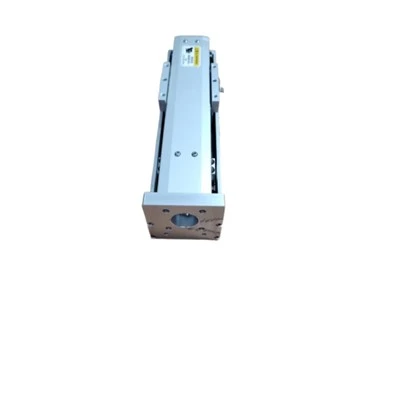
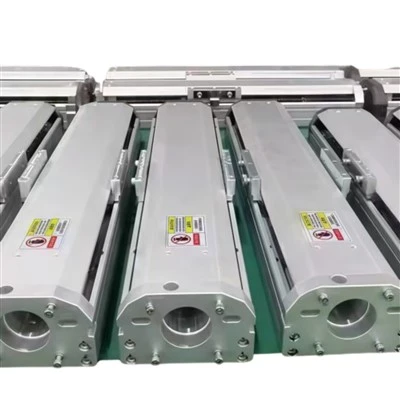
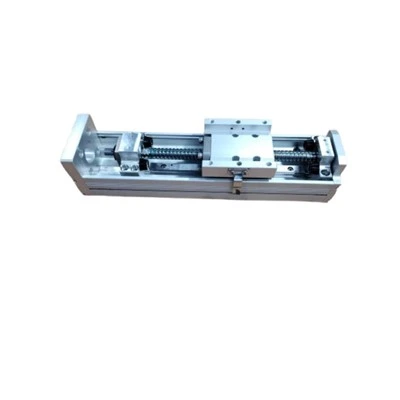
For example, let's say I'm promoting a Mini PPU Pick and Place. I might create a video showing how this compact and efficient manipulator can streamline a manufacturing process. I'd highlight its features, such as its high precision and fast operation, and show real - life examples of it in action. By creating compelling content, I can attract potential customers and get them interested in my product.
Using Data for Targeted Manipulation
Another powerful tool in the manipulator's arsenal is data. Social media platforms collect a ton of information about their users, including their interests, demographics, and online behavior. Manipulators can use this data to target specific groups of people with tailored messages.
Let's say I know that a particular group of users is interested in automation and manufacturing technology. I can use social media advertising tools to target these users with ads for my Pick and Place Unit. I can customize the ad copy, images, and even the call - to - action based on what I know about this group. This increases the likelihood that they'll click on the ad and learn more about my product.
Data also allows manipulators to track the effectiveness of their campaigns. They can see which posts are getting the most engagement, which ads are driving the most clicks, and which demographics are responding best. This information helps them refine their strategies and make more informed decisions about future campaigns.
Building a Community for Manipulation
Building a community on social media is another effective way to manipulate. When people feel like they're part of a group, they're more likely to trust and follow the group's leaders. Manipulators can create groups, pages, or communities centered around a particular topic or product.
For my manipulator business, I could create a Facebook group for manufacturing professionals. In this group, I'd share industry news, tips and tricks, and of course, information about my PPU Pick and Place Unit. By providing valuable content and fostering a sense of community, I can build relationships with potential customers.
Once I've built a community, I can use it to influence their opinions and actions. For example, I could run a poll asking group members about their needs in a pick - and - place unit. Based on the results, I can tailor my marketing messages to address those specific needs. I could also encourage group members to share their experiences with my products, which can serve as social proof and attract more customers.
The Role of Influencers
Influencers play a huge role in social media manipulation. These are people with a large following on social media who have the power to influence their followers' opinions and purchasing decisions. Manipulators can partner with influencers to promote their products or services.
Let's say I find an influencer in the manufacturing industry who has a significant following. I could approach them and offer to send them a sample of my Mini PPU Pick and Place to review. The influencer could then create a video or post about their experience with the product, sharing it with their followers.
Since their followers trust their opinion, they're more likely to be interested in my product. This can lead to increased brand awareness, website traffic, and ultimately, sales. However, it's important to choose the right influencers. They should have an audience that aligns with my target market and a reputation for authenticity.
Ethical Considerations
Now, I want to touch on the ethical side of social media manipulation. While it's a powerful marketing tool, it's important to use it responsibly. Manipulators should be transparent about their intentions and not deceive their audience.
For example, when promoting my products, I should clearly state what they are, what they can do, and any limitations. I shouldn't make false claims or promises just to get people to buy. Building trust with my customers is crucial for the long - term success of my business.
How to Protect Yourself from Manipulation
On the flip side, if you're a social media user, there are ways to protect yourself from manipulation. First, be skeptical of content that seems too good to be true. If an ad promises amazing results with little effort, it's probably a red flag.
Second, do your research. Before making a purchase based on a social media post, look for reviews from other customers, check the company's website, and see if there are any independent sources of information.
Finally, be aware of your own emotions. Manipulators often try to evoke strong emotions like fear, excitement, or envy to get you to take action. If you feel yourself getting overly emotional about a post, take a step back and think rationally.
Contact for Purchase and Collaboration
If you're interested in learning more about our manipulators, including the Mini PPU Pick and Place, Pick and Place Unit, and PPU Pick and Place Unit, we'd love to have a chat with you. Whether you're looking to upgrade your manufacturing process or are just curious about our products, feel free to reach out. We're here to answer your questions, provide more information, and discuss how our manipulators can meet your specific needs.
References
- Cialdini, R. B. (2009). Influence: The Psychology of Persuasion. Harper Business.
- Boyd, D., & Ellison, N. B. (2007). Social network sites: Definition, history, and scholarship. Journal of Computer - Mediated Communication, 13(1), 210 - 230.
- Van Dijck, J. (2013). The Culture of Connectivity: A Critical History of Social Media. Oxford University Press.