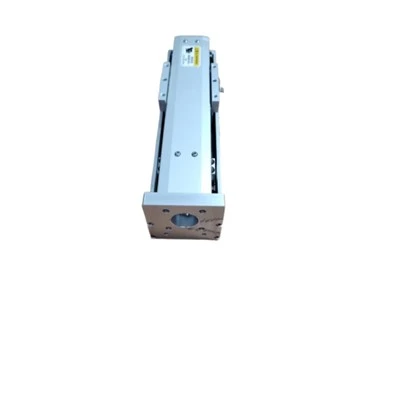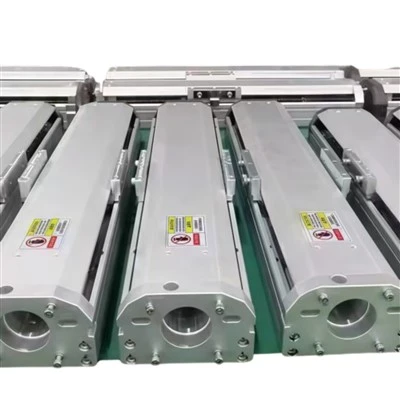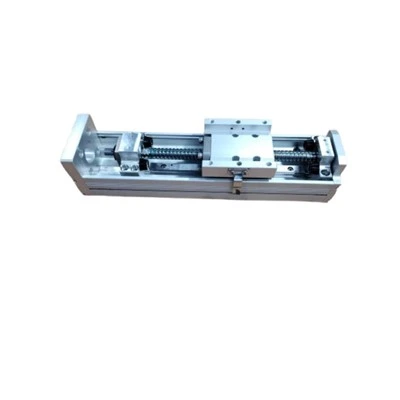

Transporting an industrial belt guide rail drive module can be a tricky task, but with the right approach, it can be done smoothly. As a supplier of these modules, I've had my fair share of experiences in getting them from point A to point B. In this blog, I'll share some tips and best practices on how to transport these valuable pieces of equipment.
Pre - transport Preparation
Before you even think about moving the industrial belt guide rail drive module, there are a few important steps you need to take.
First off, make sure you have a detailed inspection of the module. Check for any visible damage, loose parts, or signs of wear and tear. If you find any issues, it's better to address them before transportation. This not only ensures the module arrives in good condition but also saves you from potential headaches down the line.
Next, you'll want to clean the module. Remove any dust, debris, or oil that might have accumulated on it. A clean module is less likely to have parts that get stuck or damaged during transit. Use a mild cleaning agent and a soft cloth to gently wipe down the surfaces.
Documentation is also crucial. Gather all the necessary paperwork, such as the user manual, maintenance records, and warranty information. Having these documents on hand will make it easier to handle any problems that might arise during transportation or after the module arrives at its destination.
Packaging
Proper packaging is the key to protecting the industrial belt guide rail drive module during transport. You need to use high - quality materials that can withstand the rigors of the journey.
Start by wrapping the module in a protective layer of foam or bubble wrap. This will cushion it from impacts and vibrations. Make sure to cover all the delicate parts, like the belts, guide rails, and drive components.
After the initial wrapping, place the module in a sturdy cardboard box or a wooden crate. The box or crate should be the right size to fit the module snugly. If there's too much extra space, the module can move around inside and get damaged. Fill any empty spaces with packing peanuts or more foam to keep the module secure.
Label the package clearly. Include information like "Fragile", "This Side Up", and the weight of the package. This will help the handlers take the right precautions when moving the module.
Choosing the Right Transport Method
There are several options when it comes to transporting an industrial belt guide rail drive module, and each has its pros and cons.
Road Transport
Road transport is a popular choice for short - to medium - distance shipments. It offers flexibility in terms of pick - up and delivery times. You can use a dedicated truck or a freight carrier. If you choose a freight carrier, make sure they have experience in transporting industrial equipment. They should have proper loading and unloading procedures to prevent damage.
One thing to keep in mind with road transport is the potential for rough roads. Bumps and potholes can cause vibrations that might harm the module. So, it's important to choose a route that's as smooth as possible.
Rail Transport
Rail transport is a good option for long - distance shipments. It's generally more cost - effective and can handle large volumes of cargo. However, the loading and unloading process can be a bit more complex. You'll need to make sure the module is properly secured on the railcar to prevent it from shifting during transit.
Air Transport
Air transport is the fastest option, but it's also the most expensive. It's suitable for urgent shipments or when the module needs to be delivered to a far - off location quickly. When using air transport, you need to follow the airline's specific packaging and handling requirements.
Loading and Unloading
Loading and unloading the industrial belt guide rail drive module require careful attention.
When loading, use appropriate lifting equipment, such as a forklift or a crane. Make sure the equipment is in good working condition and that the operators are trained. Lift the module gently and place it in the transport vehicle without any sudden movements.
During unloading, follow the same procedures. Take your time to ensure the module is safely removed from the vehicle. Check for any signs of damage that might have occurred during the journey.
Tracking and Monitoring
Once the module is on its way, it's a good idea to track its progress. Most transport companies offer tracking services, which allow you to see where the module is at any given time. This can give you peace of mind and help you plan for its arrival.
You can also consider using monitoring devices. These devices can measure factors like temperature, humidity, and vibration. If there are any abnormal readings, you can take action to prevent damage to the module.
Specific Modules and Their Transport Considerations
Let's take a look at some specific types of industrial belt guide rail drive modules and how their transport might differ.
The Left - Angle Toothed Belt Driven Linear Motion Unit has unique design features. The toothed belt requires extra protection to prevent it from getting damaged. Make sure the packaging is designed to keep the belt in place and prevent it from being stretched or snagged.
The Timing Belt and Sprocket Stepper Motor Powered Linear Stage has a stepper motor, which is a sensitive component. During transport, it's important to keep the motor stable and protected from shocks. You might need to use additional padding around the motor area.


The Left - Angle Toothed Synchronous Belt Linear Guide Drive Unit has a synchronous belt that needs to be kept in good condition. The belt's teeth can be easily damaged, so make sure the packaging provides enough support to prevent any contact that could cause wear.
Conclusion
Transporting an industrial belt guide rail drive module requires careful planning, proper packaging, and the right transport method. By following the tips and best practices outlined in this blog, you can ensure that your module arrives at its destination in good condition.
If you're in the market for an industrial belt guide rail drive module or need more information on transportation, don't hesitate to get in touch. We're here to help you with all your industrial equipment needs.
References
- Industry standards for packaging and transporting industrial equipment
- Manufacturer's guidelines for the specific industrial belt guide rail drive modules